FINDING WISDOM IN THE EVERYDAY
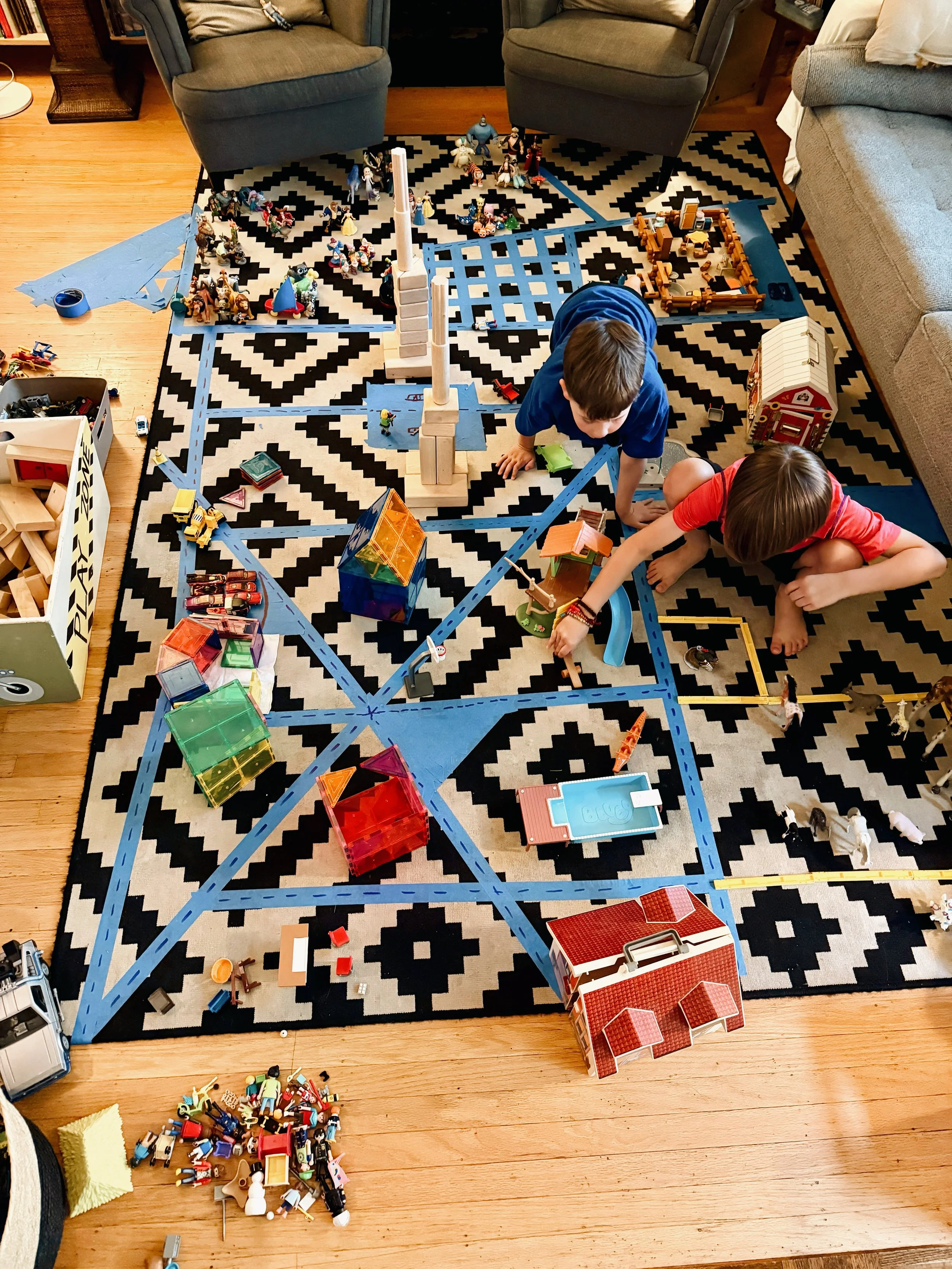
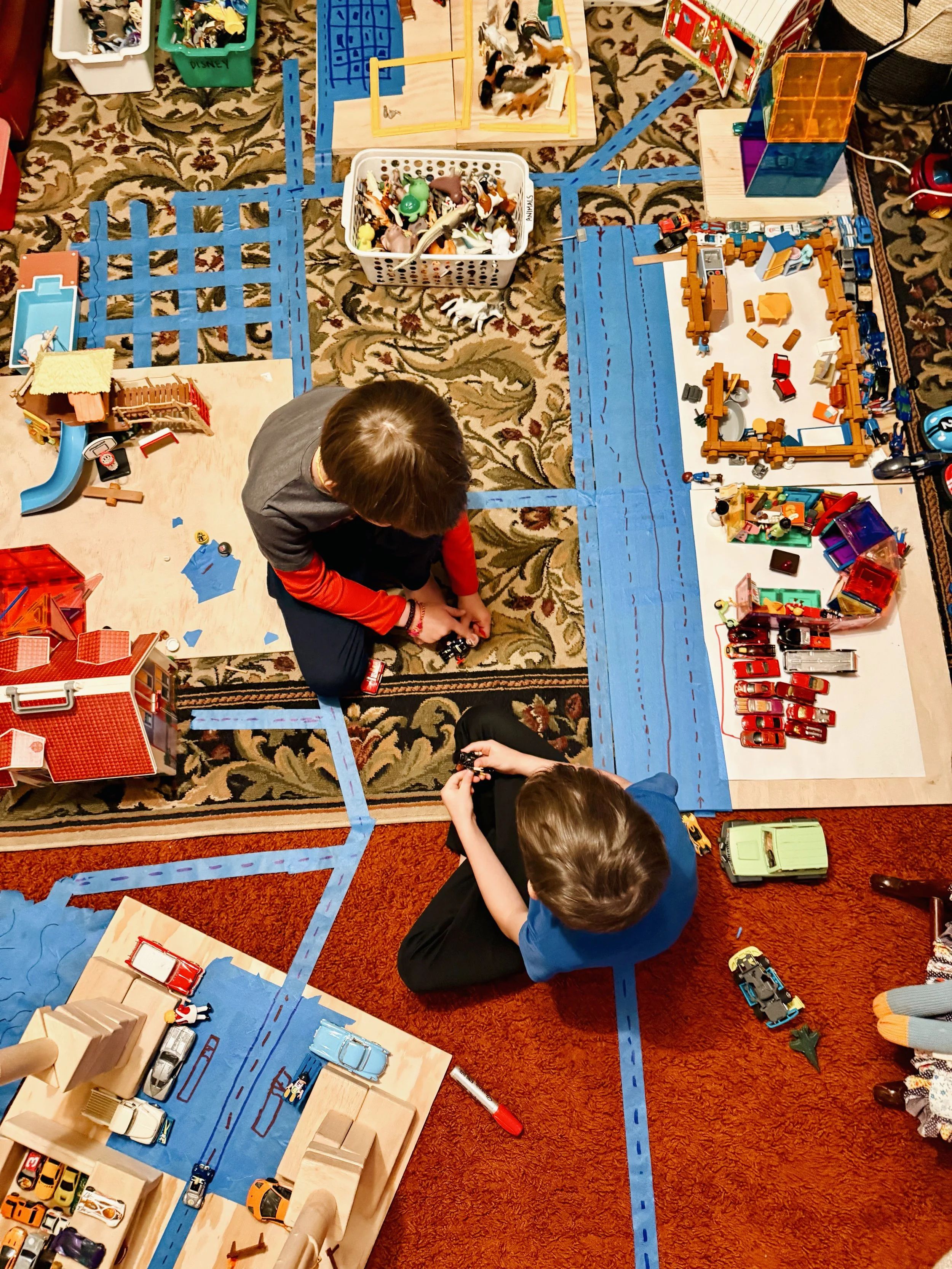
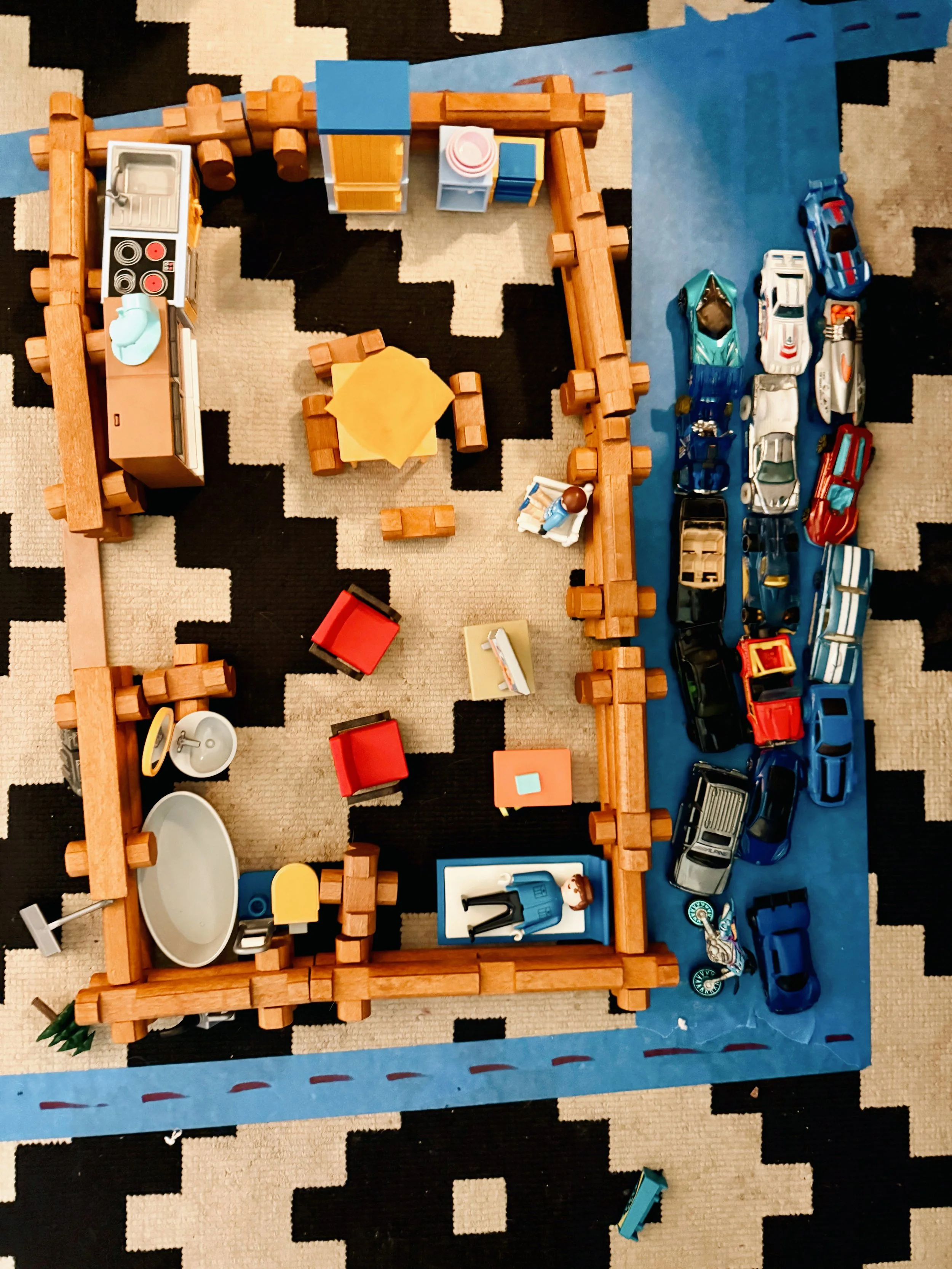
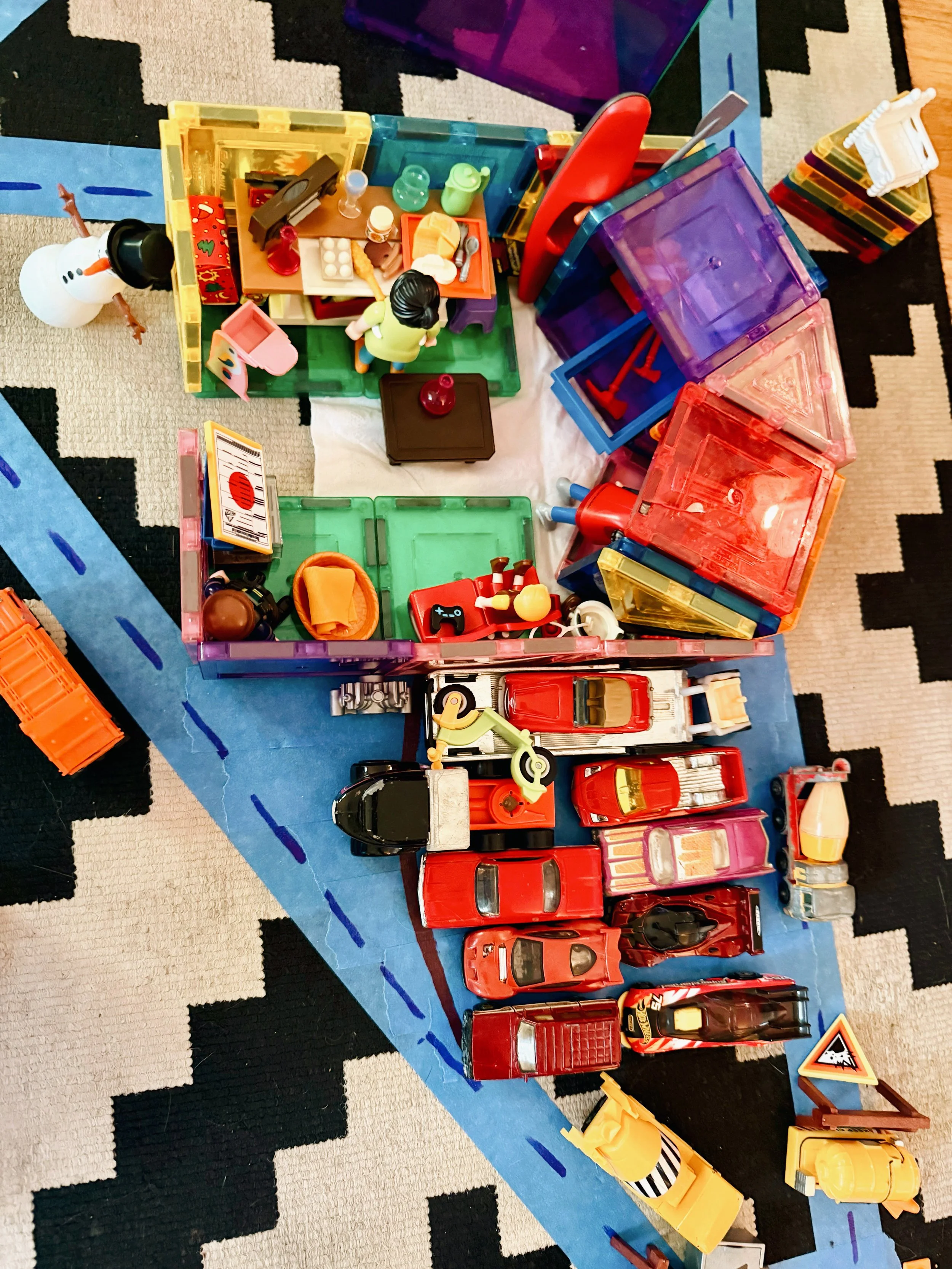
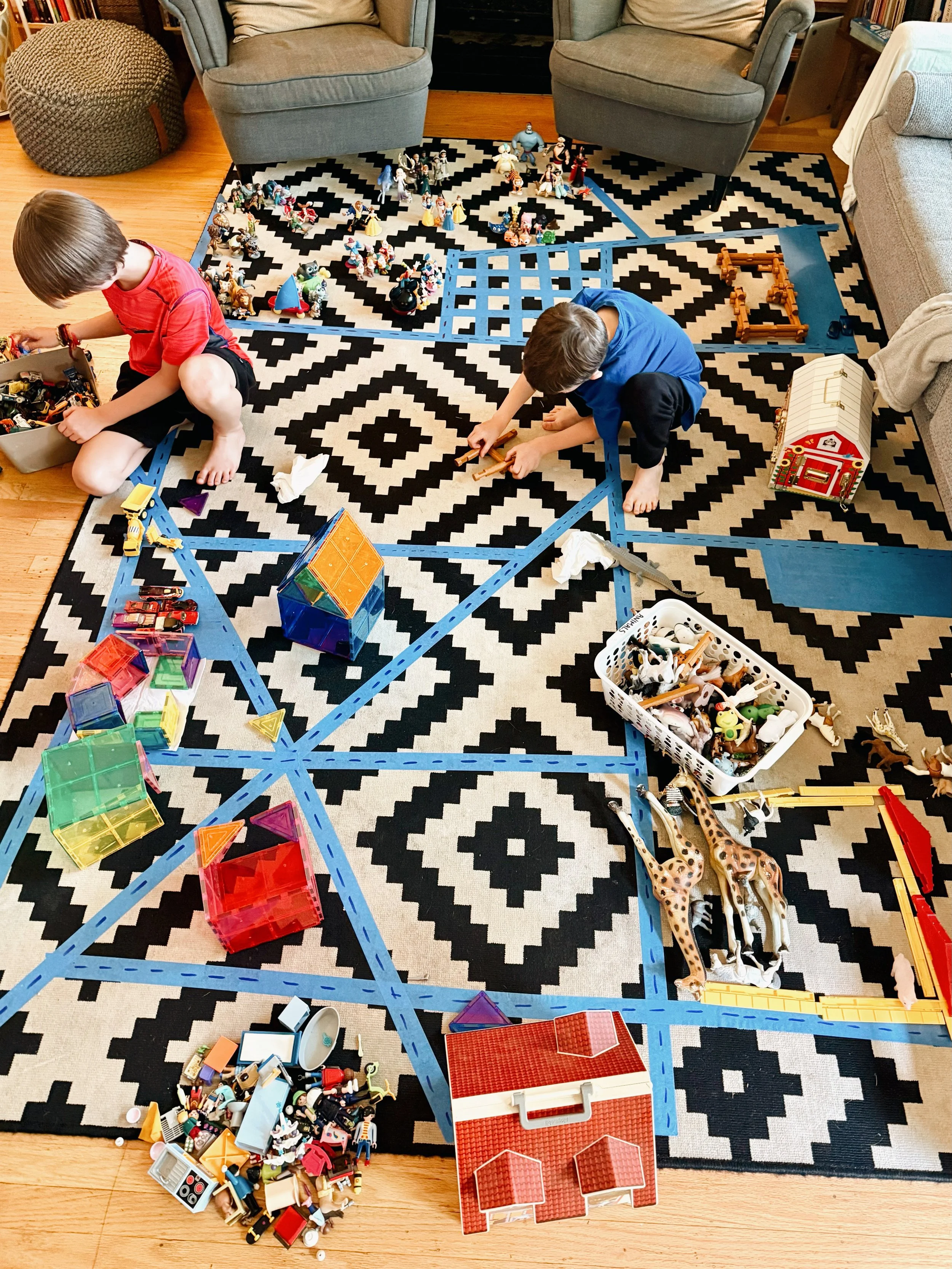
Isn’t it true that most profound lessons happen in the middle of the regular everyday? Over this last weekend, the boys were playing in an elaborate town setup - complete with homes, wooden block skyscrapers, stores lining carefully mapped roads, and even small farm areas they'd created in our living room. As they played we stumbled upon an opportunity to explore deeper questions of power, control, and cooperation. What began as a conflict over who controlled which parts of their miniature city became a spontaneous but impactful conversation about what it really means to be powerful.
From Conflict to Conversation
The boys had been butting heads during their playtime. Frustration with each other was building, and emotions were high. We could have stepped in, mediated the situation quickly, and moved on. But instead, we chose to pause and lean into the moment. I called a family meeting and began a conversation—one that, while wandering at times (because kids 🙃), unearthed some big truths.
We started by asking questions. Why were you being unkind? What did you feel like you needed? Was there something you didn’t have? Did you feel left out? We listened as they tried to articulate their feelings. We weren’t just looking to resolve a skirmish; we were helping them uncover the deeper internal heart issues at play.
Redefining Power and Peace
We painted this picture for them: imagine one person has an idea in their head for how everyone should play and that person becomes bossy or controlling trying to make that idea happen. Is that fun for everyone? Is that the kind of power we want to use?
This naturally led to deeper questions: What does it mean to have true power? Is it about control? Stuff? Winning? Or is it about building trust, friendship, and love? When we gain trust, we gain influence. When we show love, we build connection. And when we learn to listen, even when it’s hard, we grow real strength.
We explored how real power comes from listening and cooperation. We talked about sharing ideas. Listening first. Helping others find their voice. True collaboration means we don’t throw out our own ideas, but it also means we don’t silence others. Using your voice doesn’t mean shouting. It means understanding and building something bigger.
We also talked about compromise. Not the kind where one person wins and the other gives up, but the kind where everyone gets something—and maybe even creates something better than anyone imagined. And we shared a helpful reminder when it comes to compromise and pursuing peace: staying quiet isn't the same as peace. Real peace includes everyone's voice. When one voice dominates, that's not peace; it's power misused.

A Foundation for the Future
In the end, we reminded our kids—and ourselves—that grown-ups are just big kids who have either learned or not learned how to manage power well. The habits we build now, in small ways, shape the kind of people we become. We talked about self-control, patience, and the courage to speak with kindness.
The conversation wasn’t perfect, and it wandered in moments, but it mattered. Because in the midst of spilled toys and hurt feelings, our children practiced the foundational skills of leadership, empathy, and integrity.
Because true power doesn't come from force. It comes from understanding. From building bridges. From listening. From love.
This is how we are teaching our kids to become who they want to be.

| Credits: Author: Jacintha Payne; Photography: Jacintha Payne |