GRIEF, GRATITUDE, & BREAKING THE CYCLE
Why I’m Writing
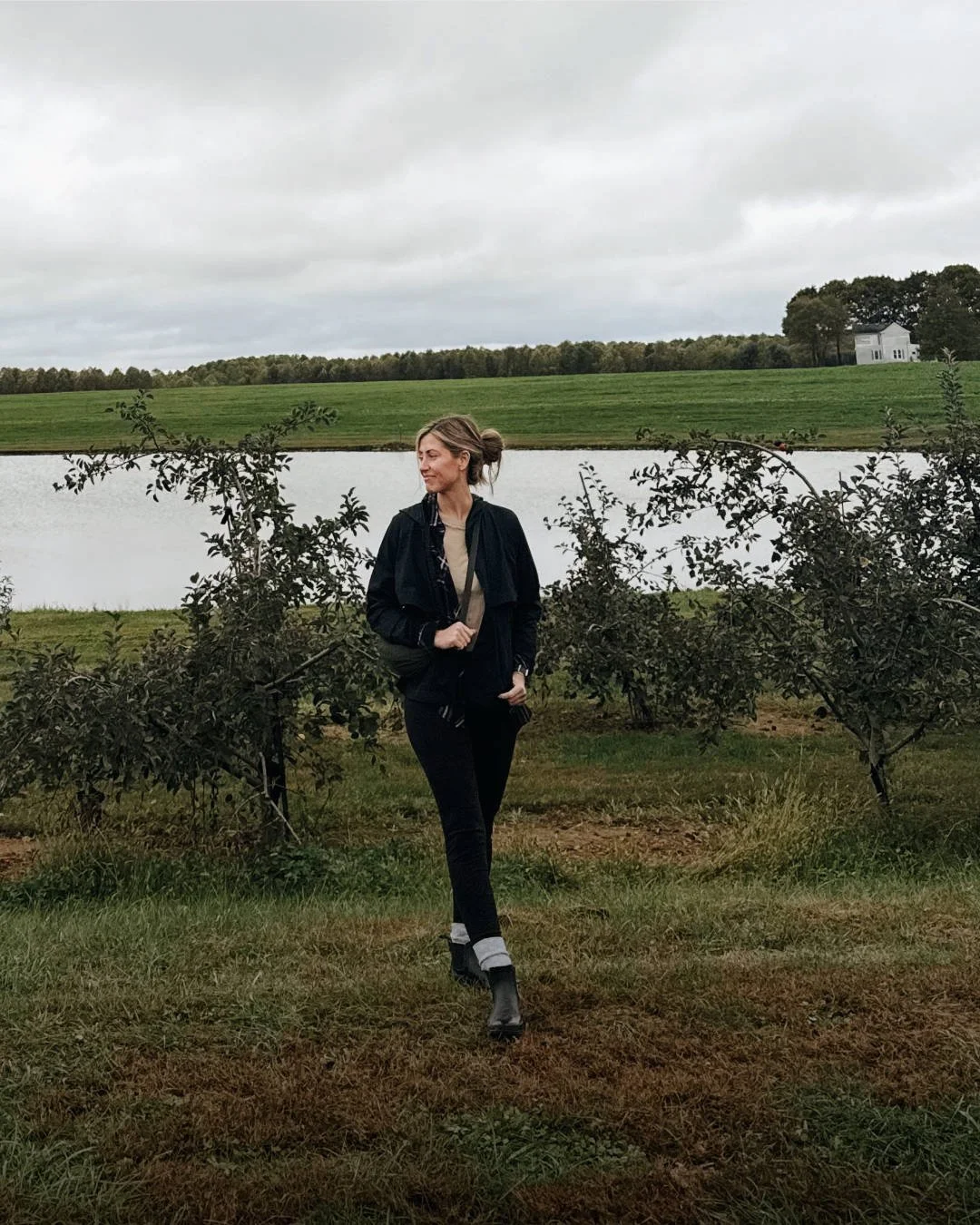
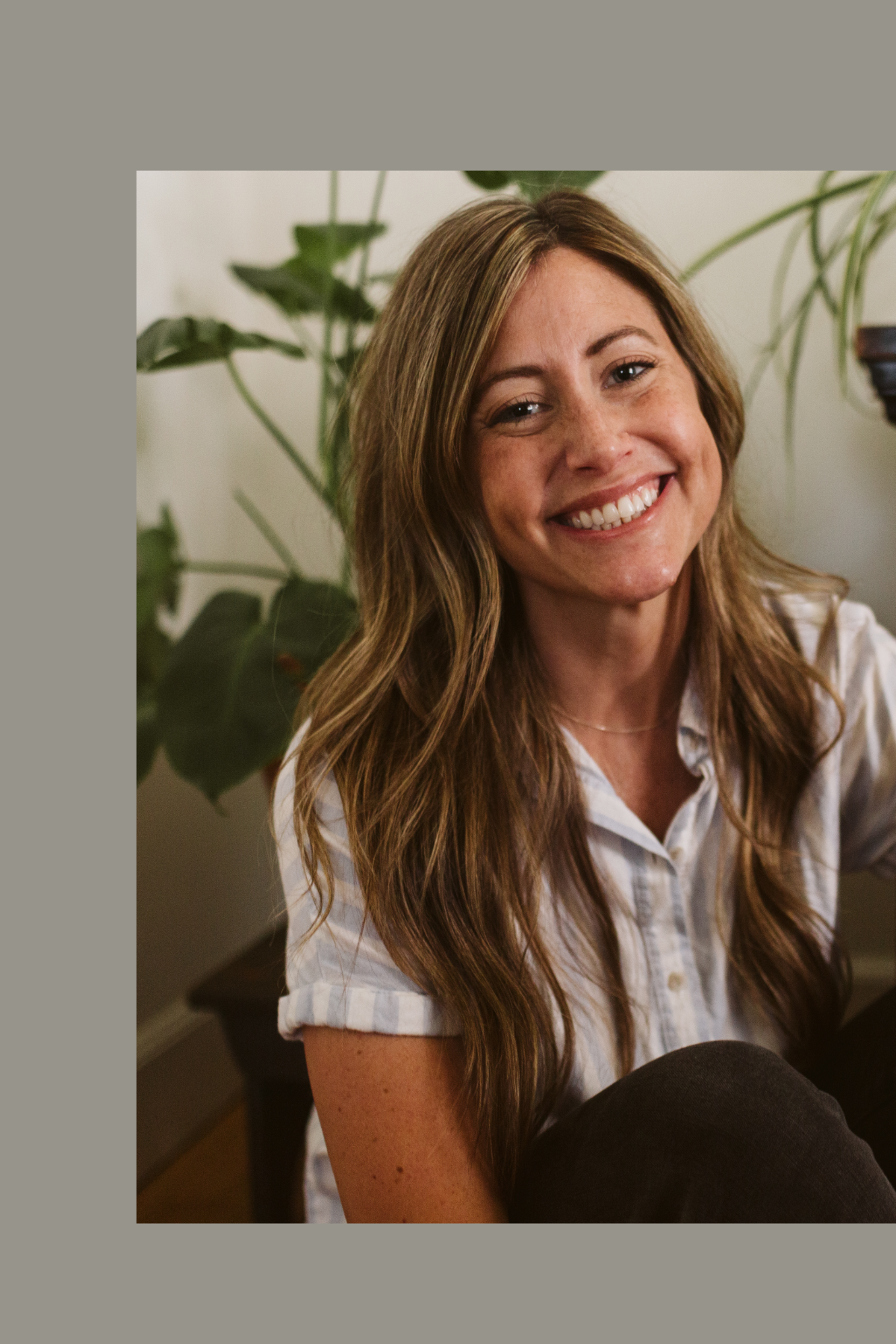
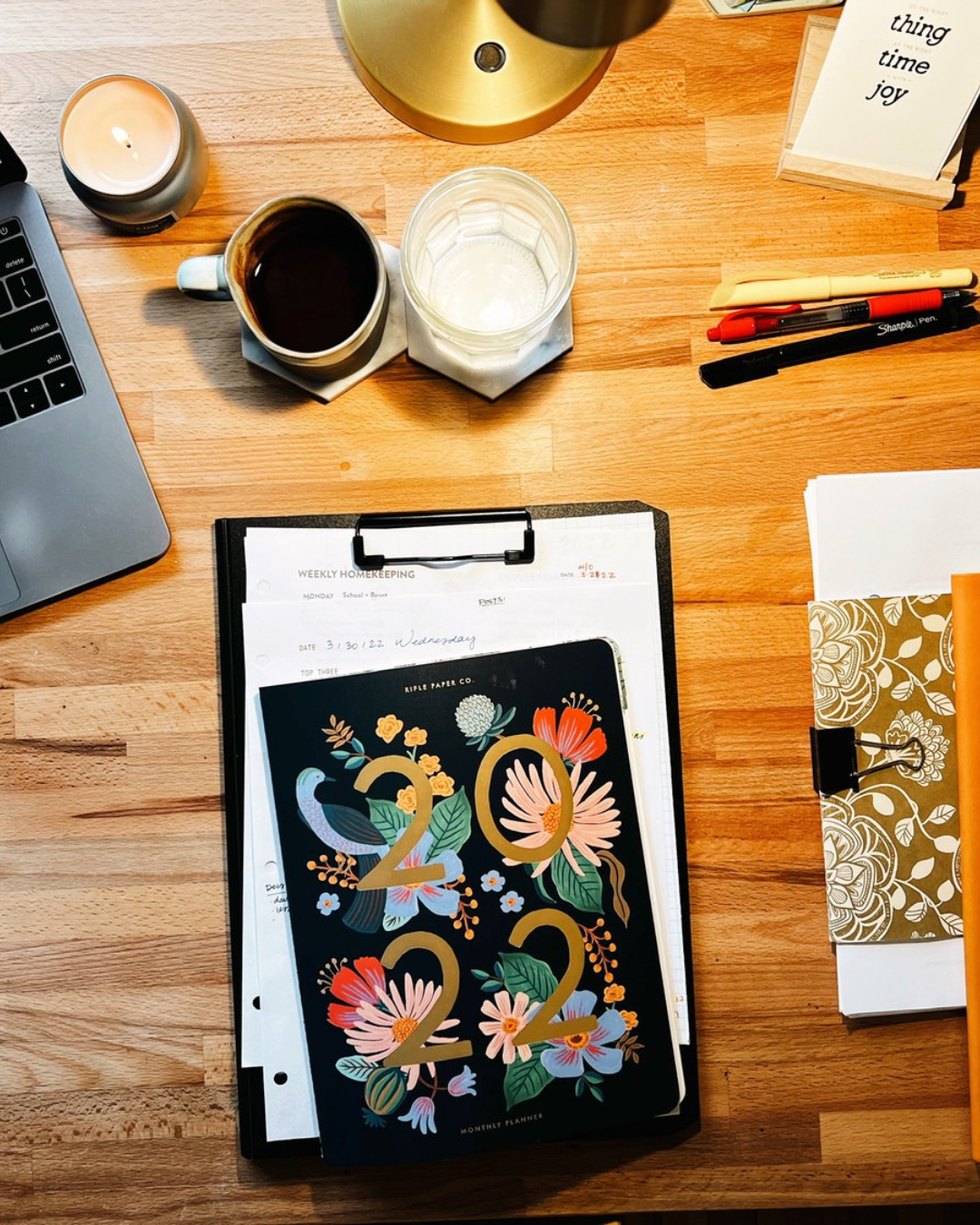
I’m writing because this past year has been both stretching and clarifying. It has held grief, disruption, and a lot of unexpected lessons, and I’ve felt the need to slow down long enough to tell a little bit about what it was like to live it. Writing helps me make meaning out of what happened, name what I’m learning as I go, and keep choosing the kind of life I want to build.
I’m not writing to have everything figured out. I’m writing to practice being present, to honor what’s been hard, and to pay attention to what is still good.
I walked into 2025 with high hopes of what the year would look like. I had goals, plans, and a vision that felt clear. But it turned into more of a year of stepping back from things and focusing my energy in the places I felt were most important. Sometimes, this is the best thing to do. Regardless of the goals and tasks you want to accomplish, real life—everyday life—is about constantly reevaluating and redirecting.
Some of What the Year Held
Last year started with us in the hole because our bank account had been hacked in late 2024. While we caught things in time, in the middle of transferring to another account, our entire savings was lost. We work for ourselves so we are having to work really hard to rebuild from the bottom up. The process, which is still not resolved, has been long and grueling - especially because it has taken a lifetime to come from nothing.
In addition to rebuilding our finances, we had so many issues with our car. Specifically with rabbits chewing the engine wires. We confirmed that it was rabbits, and our mechanic found areas they were nesting. Whatever we tried, they kept coming back. There were many times throughout the year where we were at the mechanic multiple times in one week.
Whenever we were trying to leave to go somewhere, we never knew if our car would actually start or not. This made it really hard for us to reliably show up for the things we committed to. It was so bizarre and unbelievable, there were times I felt like I needed to over-explain myself so that people would believe it was really happening.
Last July, we lost our dear Monica. She had been a companion and best friend for 13 years. She was there to comfort me on the sad days. When I was pregnant with both of my boys, she would rest her head on my stomach, and later she welcomed them home, sleeping at the foot of their bed as if to keep watch. She was always ready for a walk, to stretch out in the sun, or to sneak a piece of pizza. Losing her was devastating.
Later in the year I turned thirty-eight. It felt like standing at the edge of something. Like one chapter was ending, but the next had not fully begun. The year was full of moments that stretched me incredibly thin, and yet somehow it also uncovered a quiet strength I didn’t know was there.
The Hardest News
I think the hardest thing from the year was learning that my mom had died. We didn’t find out until months after her passing and it was determined that she had taken her own life. I think some people have wondered if I would say anything publicly, and if I did, what it would sound like. I’ve wondered that too.
How do you honor a life that brought so much pain to your own?
People often say to me, “But your mom did some good things, right?” And sure, she did some of the basic things anyone does. She kept me fed (sometimes). She put me in school (kind of). She remembered birthdays (some years). She kept me alive. There are a handful of sweet memories I can hold on to. Early memories of when my mom and dad were still together. A laugh or smile that felt genuine. A car ride to the beach with the windows down. I’m grateful for those memories. Gratitude doesn’t change what happened; it just lets me hold both truths at once.
I’ve wanted to write about my childhood for a long time, but the timing never seemed right. Part of me didn’t want the story to define me. I didn’t want to be the kid from a hard family. The one people pity and feel sorry for. Another part of me kept a small, stubborn door open to the possibility that something might change between us. That hope, fragile as it was, felt like a reason to remain quiet about my story. But now that she’s gone, staying quiet isn’t helping anyone. So for now, I will start with just sharing small pieces and take one step at a time.
My mom’s childhood was hard. I know that she lived with the weight of horrifically heavy things she didn’t know how to carry, and that weight spilled over onto me and my siblings. Abuse teaches you to be a survivor. With that mentality, it is not always easy to show and express love. She spent her life defending herself from everyone, even the people who tried to care for her. I personally learned what that constant defending costs a family.
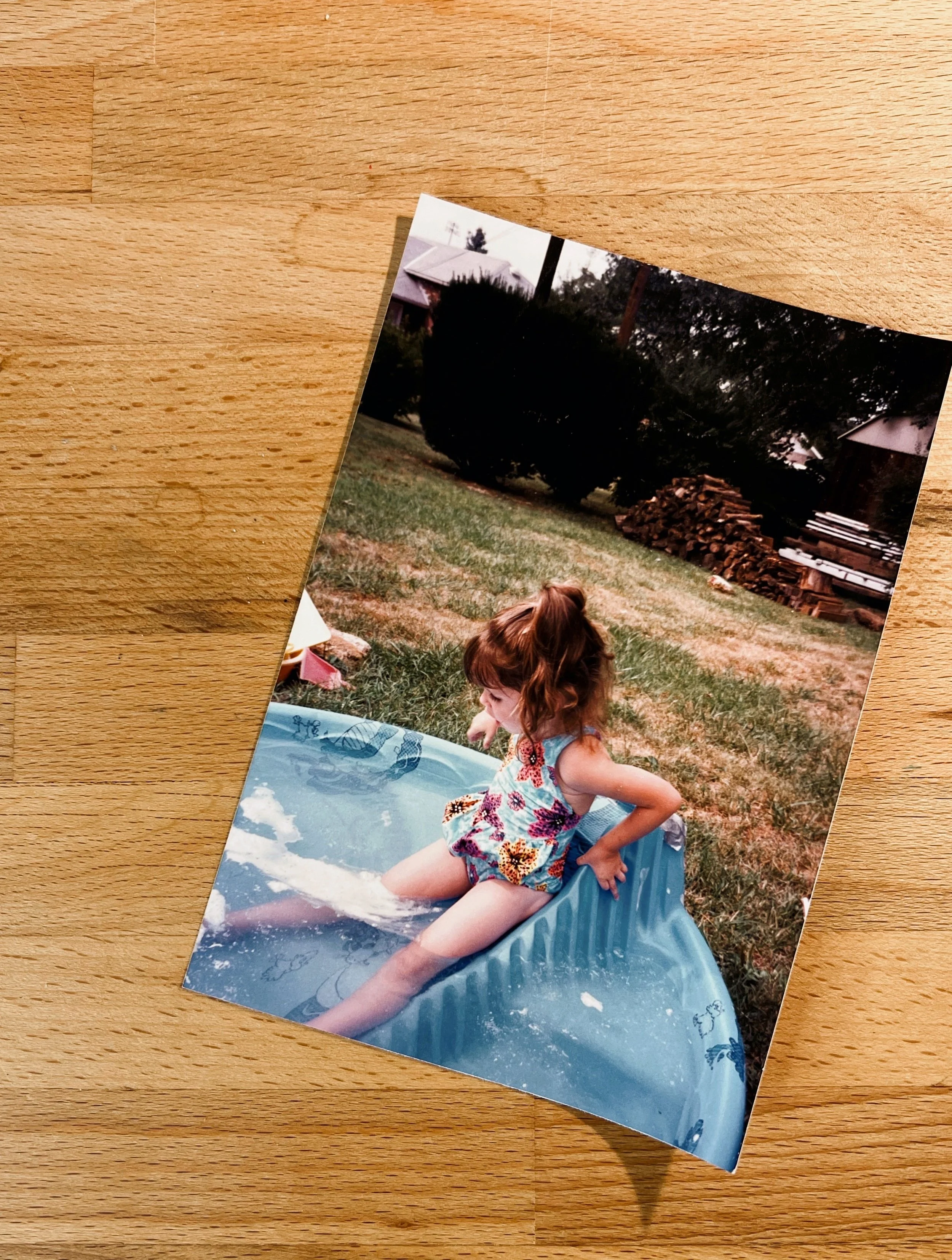
My parents separated when I was around 5. And my dad created a life of his own apart from my sister and I. I would see him for visitation until I was around 10 years old, which is another part of my story for a different time, all the while, experiencing abuse from my mom in between. Living with an abusive parent is incredibly hard. It wasn’t just the constant hitting. It’s also the moments she would corner me and strike with her hands or whatever was closest, beating me, unloading her pain on me until she was empty. It was her threatening to kill me in my sleep if I didn’t do what she wanted. And many other things I won’t mention here right now. All of these things sound so dramatic now, but back then it was just another night. That kind of fear changes you. You start bracing without realizing it. Every sound, every look, every shift in her mood. It was punishment mixed with unpredictability. Each choice is like navigating a minefield. Each step is careful, tense, and uncertain. Love felt like something you had to earn by not stepping in the wrong place. There were times when I would sleep outside my window in the bushes because that felt safer than staying indoors.
She chased comfort in all the places that promised relief without any real or lasting repair. Relationships that numbed, substances that quieted the noise but deepened the pain, and the validation that comes from being seen as “the wounded one.” The trap is familiar: find an easy fix for pain and hope it will also be an answer. It rarely is. Pain doesn’t leave quietly. It waits to be noticed, and if we ignore it, it settles in and reshapes us.
My mom’s health, both physically and mentally, was so up and down my entire childhood. Whether it was seizures, overdosing which resulted in her staying in psych wards for chunks of time, or multiple attempts at taking her own life — we all learned to live in this state of perpetual fear of something happening to mom. Which caused me to grow up quickly and take on the responsibility of acting like an adult.
Breaking the Cycle
Somewhere along the way, I decided I didn’t want this to be my story. I decided on it young. Before I had language for it. Just a small, steady sense that if I wanted a different life, I had to live differently. But wanting different things isn’t the same as being different. The long work is learning to interrupt what you’ve inherited. It’s noticing the loops, the stories you tell yourself, the shortcuts to comfort that aren’t actually comfort at all. And choosing, again and again, to pause. To ask better questions. To take the harder path. To stay with your feelings long enough to understand them. To let your body unclench. To build safety through ordinary acts of care.
Still, old patterns echo.
Our basement floods when it rains because our yard sits lower than the neighbors’. Their runoff fills our drain, and every storm becomes a test of endurance for our entire family. The same thing happens in life, something beyond your control spills into your space, and you’re the one mopping up.
When the boys’ birthday gifts disappear from their money jars after certain people visit. When rabbits chew through the car wiring. When the bank “loses” your money, and what you work so hard for vanishes without explanation. When a boss who preaches humility wields anger behind closed doors and hurts you. When you pour all of your time and energy into helping those you love navigate the next steps in their life after the catastrophic decisions they’ve made. With all of these examples of realities I’ve faced, It’s easy to start believing the world is out to get you. It’s easy to slip back into victim thinking. But that’s where our personal work matters most.
You don’t have to respond the same way you were treated. You don’t have to stay stuck in old patterns. A victim mindset believes you have no control over what happens. I’ve lived in that mindset before. The one that waits for someone to fix what’s broken. But that someone rarely comes. The turning point is realizing that your individual decisions, not rescue, is what changes a life. Every flood cleaned up, every boundary drawn, every repair made—it’s all practice in refusing to live passively.
Boundaries
Throughout my life I’ve had to have real, hard conversations with family, friends, and people I thought I could trust. No one really prepares you for how to love people who are hard to be around. Not the dramatic kind of hard (though sometimes it’s that too), but the steady, low-grade kind. The kind where you leave a conversation feeling smaller than when you walked in. Where someone else’s version of closeness always seems to cost you something. Where help comes with strings attached, or the silence after a disagreement stretches longer than it should.
Setting boundaries means more than creating distance. Sometimes it means pulling away entirely. But often, I've found, it means staying close enough to be real while being honest about what you can and can't carry. It means showing up to the gathering but not staying for the argument. It means answering the phone but not absorbing the guilt, and communicating realistic expectations for what moving forward would need to look like. It means loving someone and walking alongside them without agreeing to be their outlet.
This is harder than walking away. Walking away has clarity. Staying in proximity to someone who hurts you (while holding your ground) requires a special kind of endurance that doesn't look like anything from the outside. But underneath, you're making a thousand tiny decisions: what to respond to, what to let pass, when to speak up, when to protect your peace.
I've learned that you can sit across from someone who has wounded you (this obviously depends on what the problem at hand is, I’m not including certain types of abuse in this point, like the end boundary I had to make with my mom) and sometimes still share a meal. You can be kind without being naive. These aren't contradictions, they're what it actually looks like to break a cycle. Taking one situation at a time. One person at a time.
Three Kinds of Boundaries (For Three Kinds of People)
The close, safe person (who generally wants to do well). The aim here is to keep closeness strong by being clear early. A boundary might sound like: “I want to stay connected, and I need us to speak respectfully. If this gets heated, I’m going to pause and we can come back to it later.” If repair is needed, it usually looks like a quick clarification, then a return to normal.
The complicated person (who often crosses lines, even if they mean well). The aim here is to stay honest without becoming their emotional punching bag. A boundary might sound like: “I can talk for 15 minutes, but I’m not able to process this for hours. If it turns into criticism or guilt, I’m going to end the call.” The reset often means you correct, clarify, and take space long enough for your nerves to settle.
The unsafe person (who twists boundaries, punishes you, or repeats harm). The aim here is to protect yourself and your family, not to win understanding. A boundary might sound like: “This isn’t up for debate. If it happens again, I won’t be available for visits or contact.” Follow-through matters here. Distance is the boundary. Access can only be earned through consistent respect.
A boundary is not an attempt to control someone else. It is communicating clarity with the hope of building something healthier. If your clarity is repeatedly broken, corrected, or used against you, that is information. You get to choose who shapes your inner life, and if you are going in circles, space is often the most honest next step.
Agency and Attention
I think a lot about how focus shapes a place. What you look at, practice, and repeat becomes the atmosphere you live in. If your attention stays fixed on scarcity or threat, everything starts to feel that way. But if you make room for small moments of goodness; a quiet morning, a cleared-off counter, sweet moments with family and friends - the air begins to shift.
I have to tell the difference between the voice that says I’m only what’s happened to me and the voice that reminds me I can still choose what to do with it. The second voice feels steadier. It doesn’t erase the past, but it gives me something solid to hold on to.
We can’t control most of what happens to us. We can plan, prepare, and hope—but control never really holds. What we can control is how we respond. It’s the one place we can practice freedom. In the hardest seasons, a healthy response looks like choosing the good in small ways when the big ways feel impossible. It looks like naming pain without drawing attention, without minimizing, without turning it into identity. It’s not dramatic. It’s the small, steady stuff—making dinner, calling someone back, getting some rest, walking outside, finishing what you started. Just doing what’s yours to do, even when no one sees it.
I’ve been cautious about sharing this part of my story because I didn’t want this to become the only thing people knew about me. I also didn’t want my honesty to accidentally soften or excuse the harm I was trying to step away from. Silence can feel easier when you still hope someone will change, but without boundaries, silence eventually creates its own kind of damage.
So here is the reality: my mom hurt us—deeply. She was also a person shaped by hurt. Both are true. I can be grateful that she kept me alive and still be honest about the years that taught me how to protect myself just to get through breakfast. I can honor a life without pretending it offered what it did not. I can choose tenderness for my younger self who kept hoping her home life would change, and steadiness for the version of me now who gets to shape the family I’m building. I love my mom and I hope that her soul has finally found peace.
Holding Both
This past year has been full. Full of grief and paperwork, of reminders, of unexpected kindnesses, of tired days that still managed to end with laughter, of small wins no one will ever applaud but me. The hard and the good have always lived side by side. They don’t cancel each other out, they just exist together. Maybe thirty-eight is about learning to hold both at once, with more patience for the hard parts and more clarity for the good ones.
The world is heavy. Wars, loss, children growing up in fear—it all presses down. It’s easy to feel haunted by the weight of it, to go numb or to believe there’s nothing we can do. But if I let the pain of the world make me absent from my own table, from my children, from the small circle I can actually touch—then I’m just repeating the silence I came from. Breaking the cycle means staying tender and present. It means seeing the suffering and still showing up anyway.
That choice is exhausting. It’s also everything.
What I Hope Now
If you ask me what I hope now, it’s simple and not simple. I hope for a home that feels peaceful, even on the days it’s not quiet. I hope for courage that shows up in ordinary ways. I hope for a life where the sweet and the bitter both belong. Where I keep choosing the good, doing the hard work, speaking openly, and letting beauty and grace keep surprising me. I hope that others who may be in similar circumstances will choose the best for the situation they’re in. To respond with love, kindness, and boldness.
Approaching thirty-nine doesn’t feel like an arrival, it feels like a turning toward the kind of life I promised myself, long ago, I would try to make.
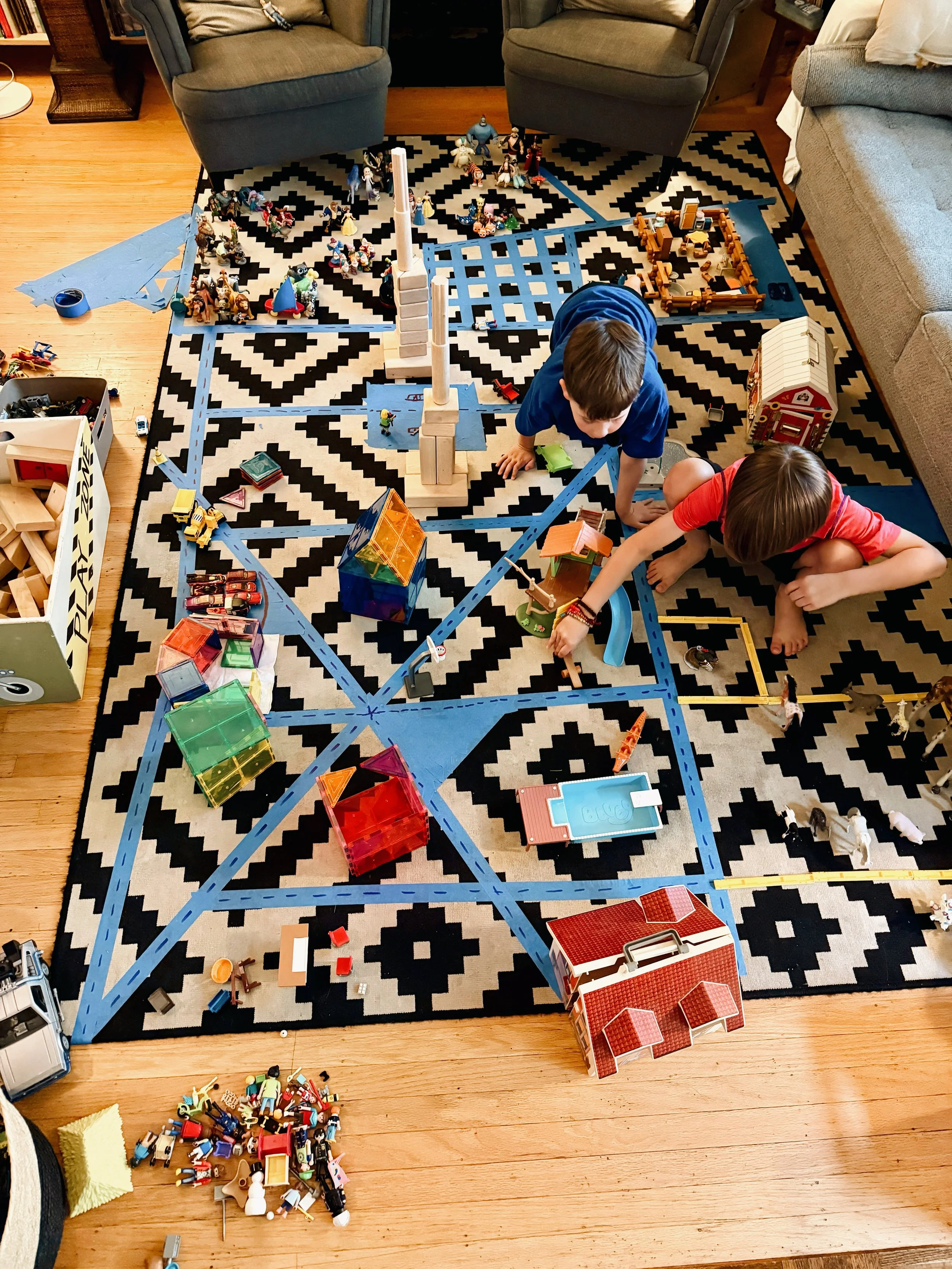
My priority has always been that if I ever had kids I would give them everything I can (in every way that means. But investing in my health and giving them healthy focus). And I am in those years now. Learning alongside them.
Who knows what is next for me and my journey. But right now, I’m right where I should be.
I’m coming out on the other side and I appreciate who I am more now than ever before.
| Credits: Author: Jacintha Payne |



I’m writing because this past year has been both stretching and clarifying. It has held grief, disruption, and a lot of unexpected lessons, and I’ve felt the need to slow down long enough to tell a little bit about what it was like to live it.